Why I Sold the Most Beautiful Watch I’ve Ever Owned
What a Parmigiani Fleurier Toric taught me about the difference between admiring a watch and choosing to wear it.

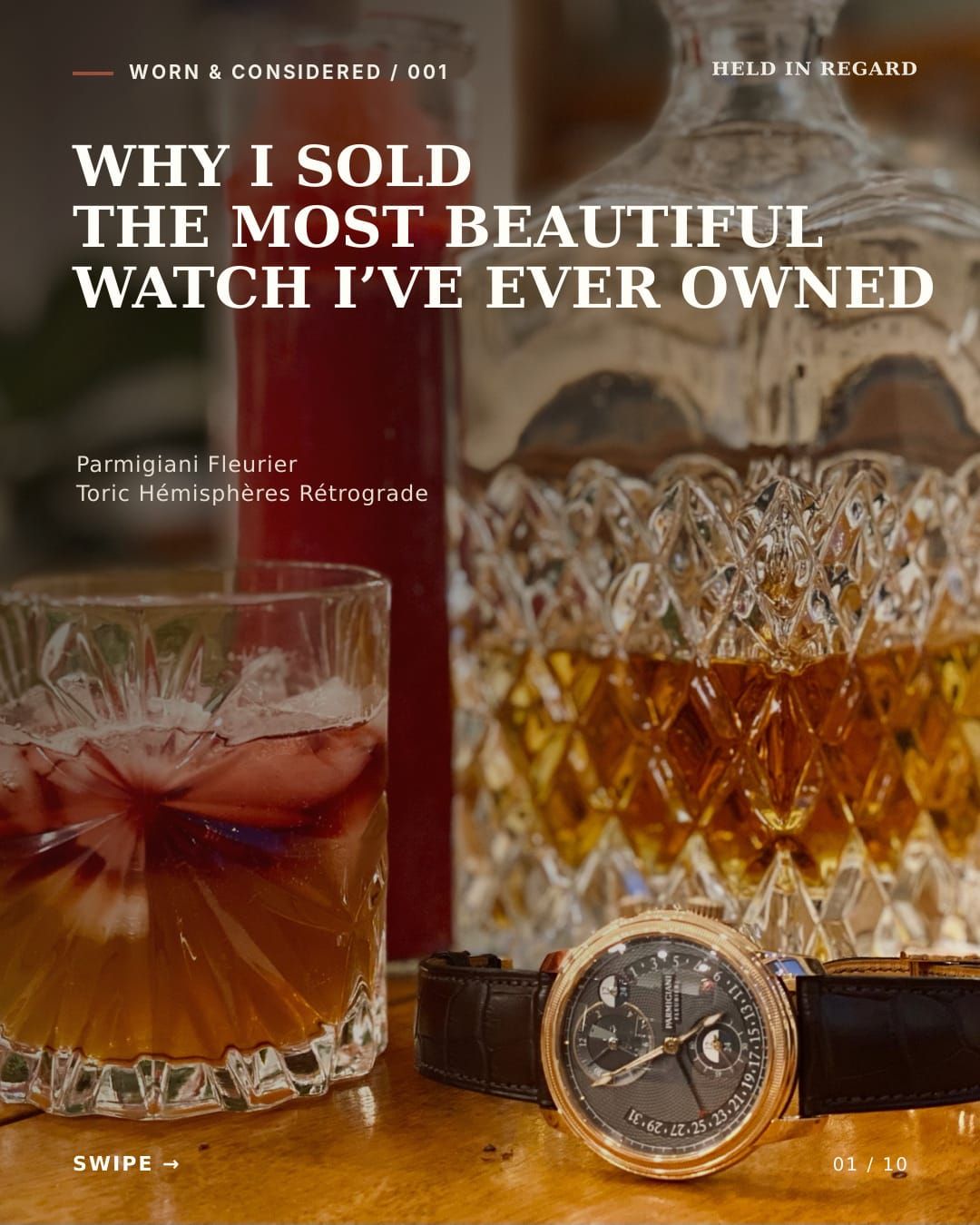
The most beautiful watch I’ve ever owned spent much of its final year in a watch box.
I admired it almost every day. I just stopped reaching for it.
My ownership journey with the Parmigiani Fleurier Toric Hémisphères Rétrograde began from a place of accomplishment and genuine love. I had reached a personal milestone and wanted to mark it by adding my first piece of high horology to the collection.
Like many collectors, I initially assumed that meant pursuing something from one of the “big three.” But I didn’t have the budget (or the relationships) to make that happen.
This isn’t a story about the state of the watch market. If anything, I’m grateful for it. It led me to a brand I had barely heard of and probably would never have considered otherwise.
Enter the Toric.
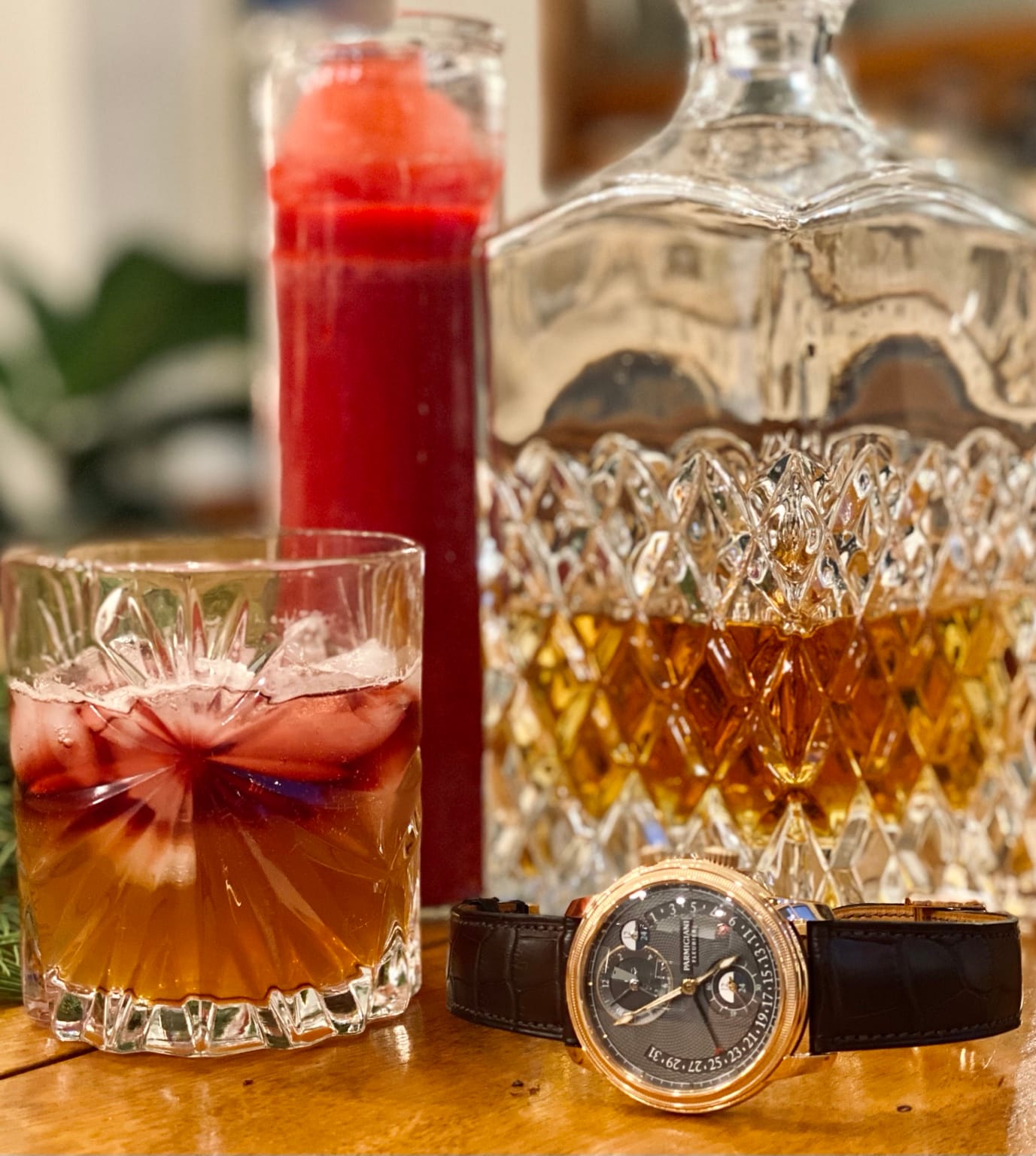
Michel Parmigiani built his reputation restoring historically important timepieces before founding the manufacture that bears his name. The Toric was the brand’s foundational wristwatch, carrying many of the details that came to define Parmigiani Fleurier.
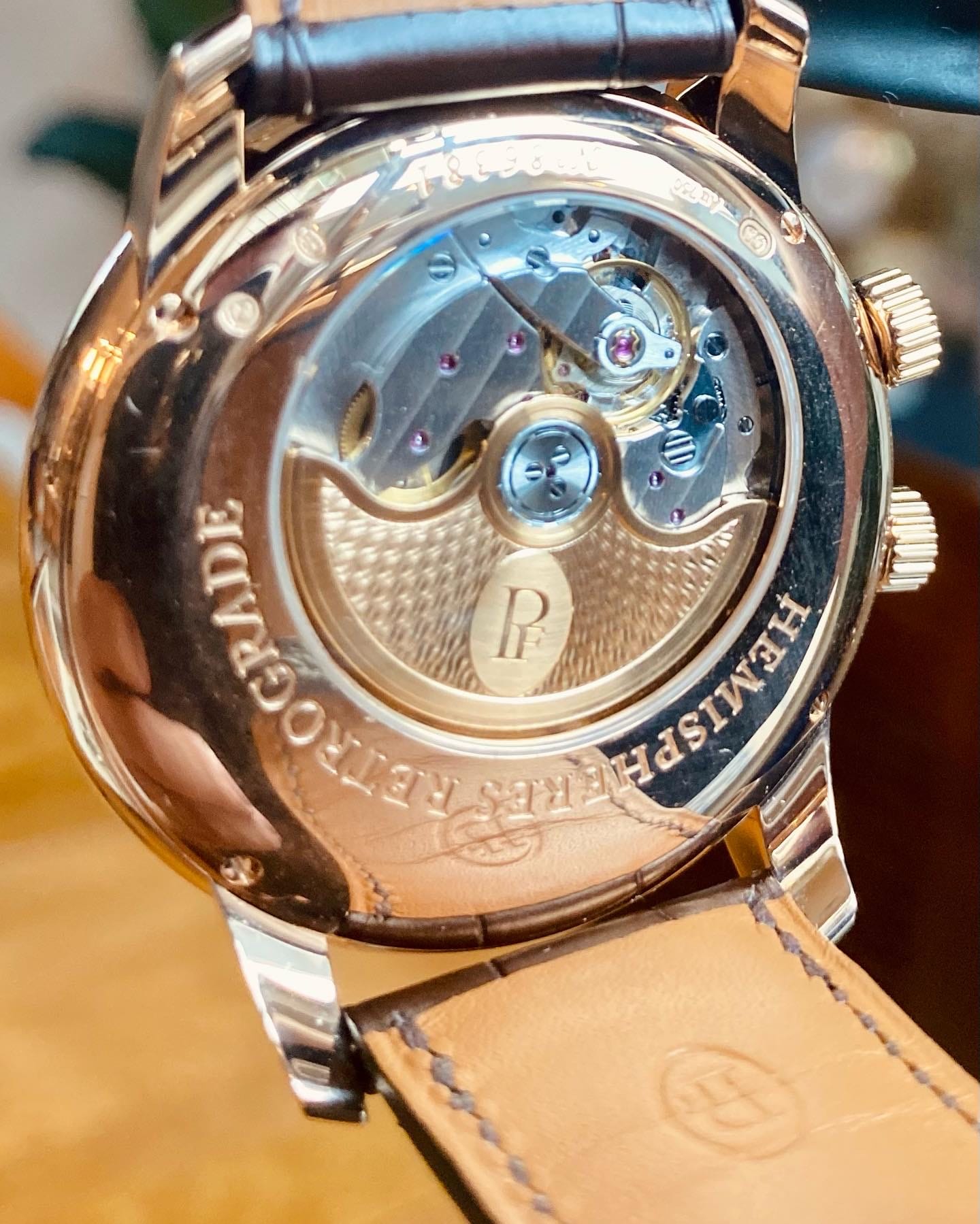
The watch felt special from the moment I handled it. Its rose-gold case had a warmth and elegance unlike anything else in my collection. The knurling around the bezel, the guilloché dial, the finishing of the movement and the buttery-soft Hermès leather strap all existed in a different league from anything I had owned before.
More than anything, it represented something to me:
I made it.
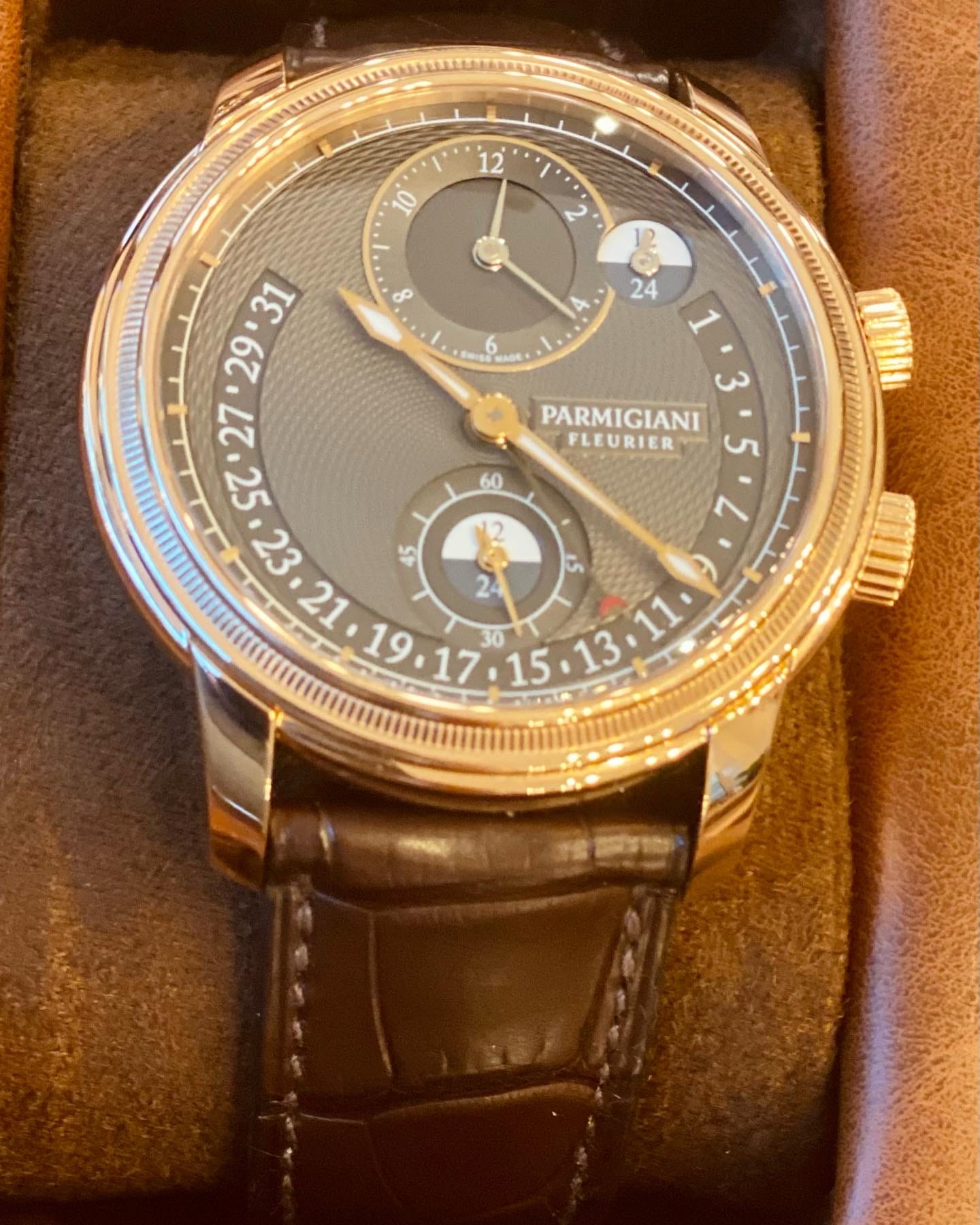
Because it flew under the radar, that feeling remained mostly private. The watch never announced itself across a room or a conference table. On the rare occasion someone noticed it, the reaction was usually not recognition but curiosity: “What is that?”
That gave me the opportunity to introduce someone else to Parmigiani Fleurier - the same way the watch market had introduced the brand to me.
Living in Colorado at the time, the Toric saw plenty of wrist time. I wore it on date nights, evenings out and business trips. It became a kind of confidence armor: something that elevated what I was wearing without broadcasting status or alienating the people around me.
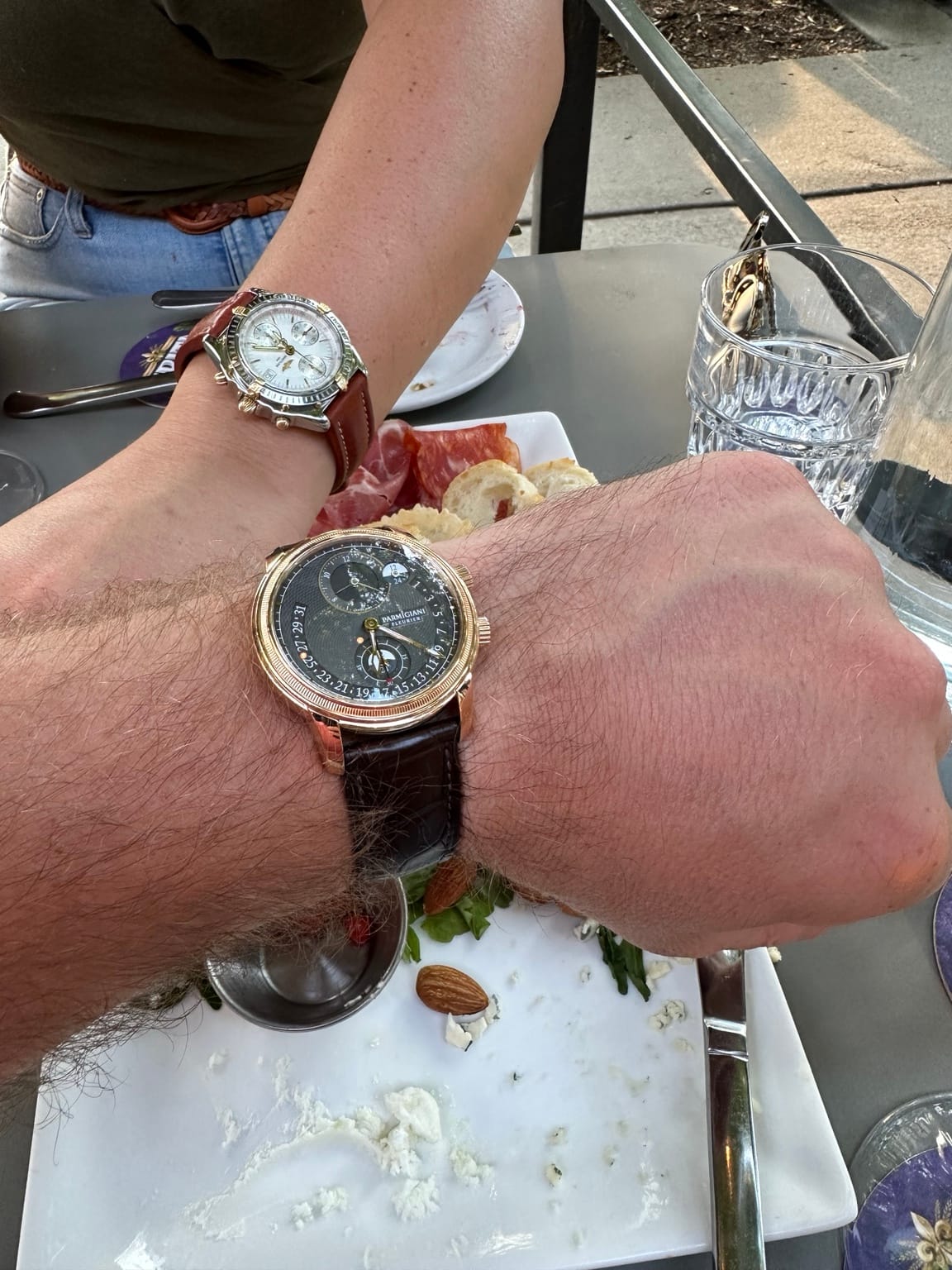
Then my life changed around it.
I was working remotely and we moved from Colorado to Florida to be closer to family. My wardrobe shifted toward the more relaxed version of polish that felt natural in Jacksonville. The heat and humidity were not especially friendly to leather straps, and the Toric gradually began to feel more formal than the life I was living.
The watch had not become any less beautiful. It simply became less compatible with me.
I found myself admiring it in the watch box but almost never choosing it. Eventually, it became my de facto date-night watch. Even then, wearing it started to feel forced - as though I was choosing it because I wouldn’t have another opportunity, rather than because it was the watch I genuinely wanted on my wrist.
This wasn’t simply a case of a sport-watch collector discovering he didn’t like dress watches. My Cartier Tank made that clear. The Tank felt more adaptable: a classic dress watch that could be dressed up or down, with effortless strap changes that allowed it to take on a different character.
The Parmigiani was not as accommodating. The tolerances around the strap and lugs were extremely tight, and experimenting with third-party straps always felt more likely to damage the watch than improve it. I tried, but nothing matched the quality and cohesion of the original Hermès strap.
The same perfection that made the watch so compelling also made it difficult for me to reinterpret.
Of course, someone could say that any watch can be worn with anything. They would be right. There are no rules preventing someone from wearing a rose-gold Toric with shorts and a polo.
But collecting isn’t theoretical. My own choices were telling me something. When it came time to leave the house, I consistently reached for something else.
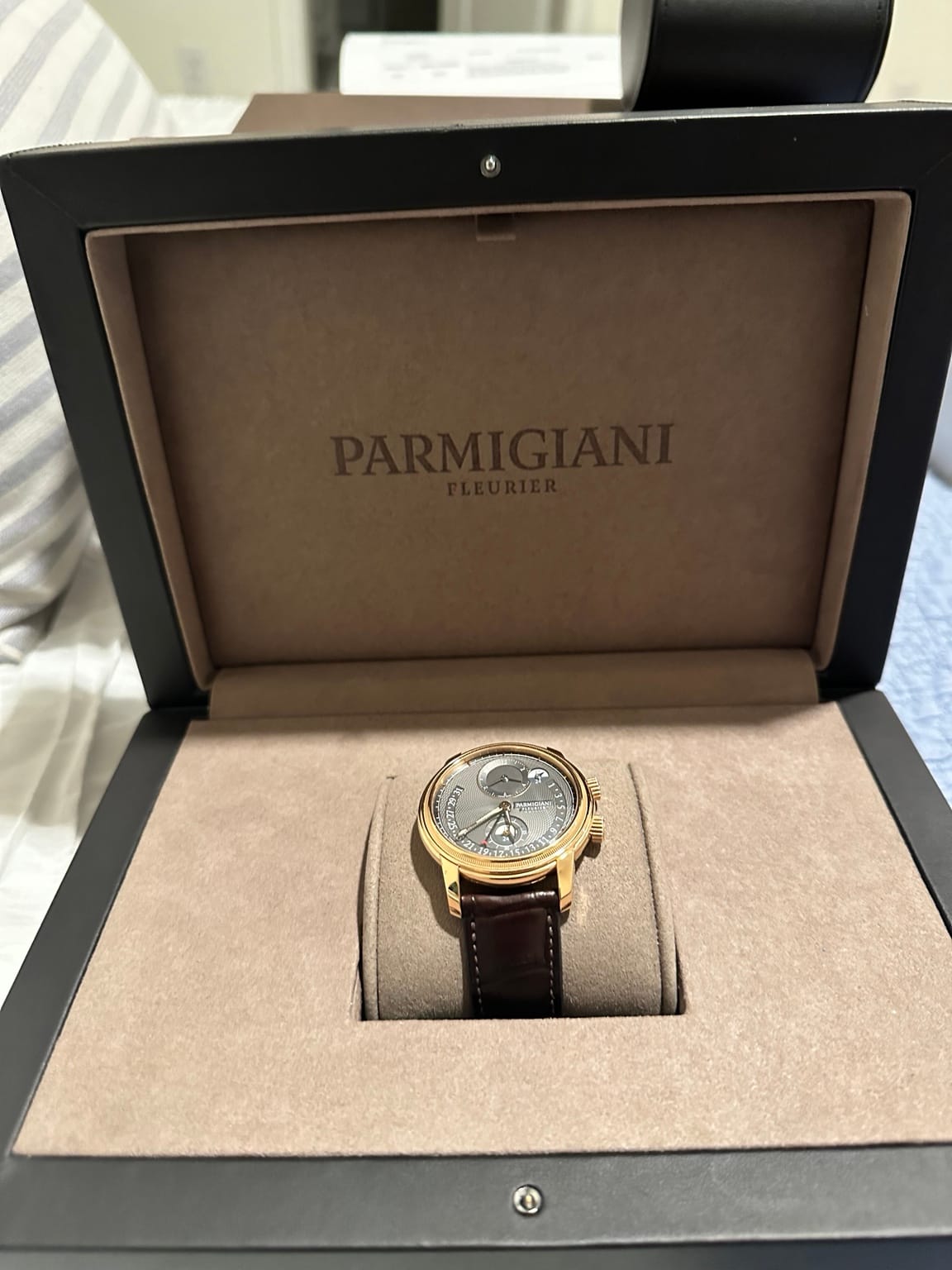
I sat with that realization for nearly three years before trading the watch.
It wasn’t a bad purchase. I wasn’t misinformed about what I was buying, and the Toric never disappointed me as a watch. If anything, it exceeded my expectations.
But it taught me something that collectors often repeat and that I didn’t fully understand until I experienced it myself:
A watch has to fit your life. Your life should not have to bend itself around the watch.
Eventually, I had to accept that appreciating a watch and wanting to own it are not always the same thing. Craftsmanship, rarity and beauty can make a watch extraordinary, but they cannot guarantee that it belongs in your collection forever.
Trading it wasn’t a rejection of Parmigiani Fleurier or high horology. It was an acknowledgment that the watch no longer gave me the joy it once had - and that a watch this good deserved an owner who would reach for it, not merely admire it.
I don’t regret buying it, and I don’t regret selling it.
The most beautiful watch I’ve ever owned taught me that the right watch isn’t necessarily the one you admire most when you open the box.
It’s the one you choose when you walk out the door.
Disclosure: I purchased this watch with my own money and later traded it. Neither Parmigiani Fleurier nor any dealer participated in this story.